
Music of the Natural World
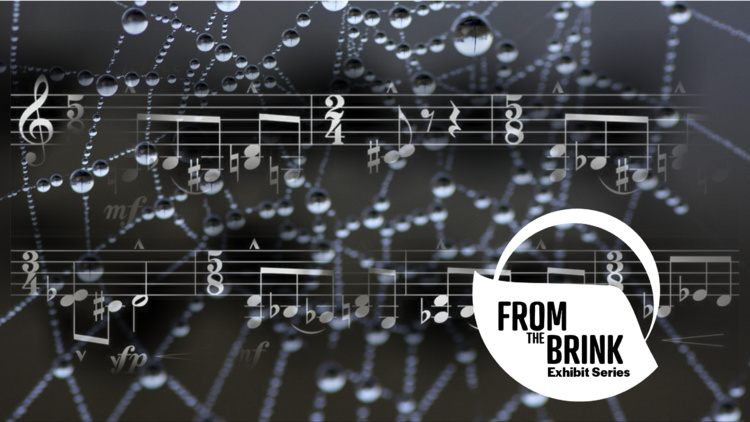
The devastation of the natural world through climate change, pollution, urban sprawl, and the accelerating extinction of plant and animal species has prompted a wave of urgent musical responses in recent years.
Music of the Natural World: Cornell Composers on Nature, Ecology, and Climate features scores, videos, and sound recordings of works inspired by endangered creatures and fragile habitats. The exhibit showcases music by current and former Cornell students and faculty, including the elegiac orchestral work Silent Spring (2011), by the late Pulitzer Prize winner and Cornell faculty member Steven Stucky; and High Water Rising for Wind Ensemble (2017), by local composer and Cornell alumna Sally Lamb McCune, which depicts the threat of rising sea levels.
The exhibit will also feature sound installations by student composers, beginning with Grayspace by James Parker, a graduate student in the Department of Music. Running from February 20 through March 20, Grayspace invites visitors to create their own sonic landscape. As they move through the library space with headphones and handheld radios, participants can discover and combine musical and environmental sounds for a uniquely immersive auditory journey.
The opening of this exhibit will be celebrated with a reception and remarks on Friday, February 20, 4:30 - 6:00 p.m. in the Sidney Cox Library of Music and Dance, 2nd floor.
More information about Music of the Natural World: Cornell Composers on Nature, Ecology, and Climate is available here. This exhibit is part of a series of exhibits titled "From the Brink: Contributions to a Sustainable Future from across Cornell," hosted by different libraries across Cornell University Library in close partnership with other departments and groups on campus.
"From the Brink" showcases collections, research support, and collaborative efforts across Cornell and illuminates ways of addressing issues of critical, global importance. This series of exhibits aims to stimulate conversations about the threat of environmental and cultural loss and its implications, while also offering insights about positive developments and constructive steps toward a healthier future for our planet and our communities.
Music of the Natural World is open to the public all hours the library is open.